
The Abortion Pill: What are the facts?
Despite being a very normal and common procedure, not everyone is clued up on medical abortion, and antis are eager to spread misinformation and lies. Abortion Rights EC Secretary Davinia Hamilton has the facts.
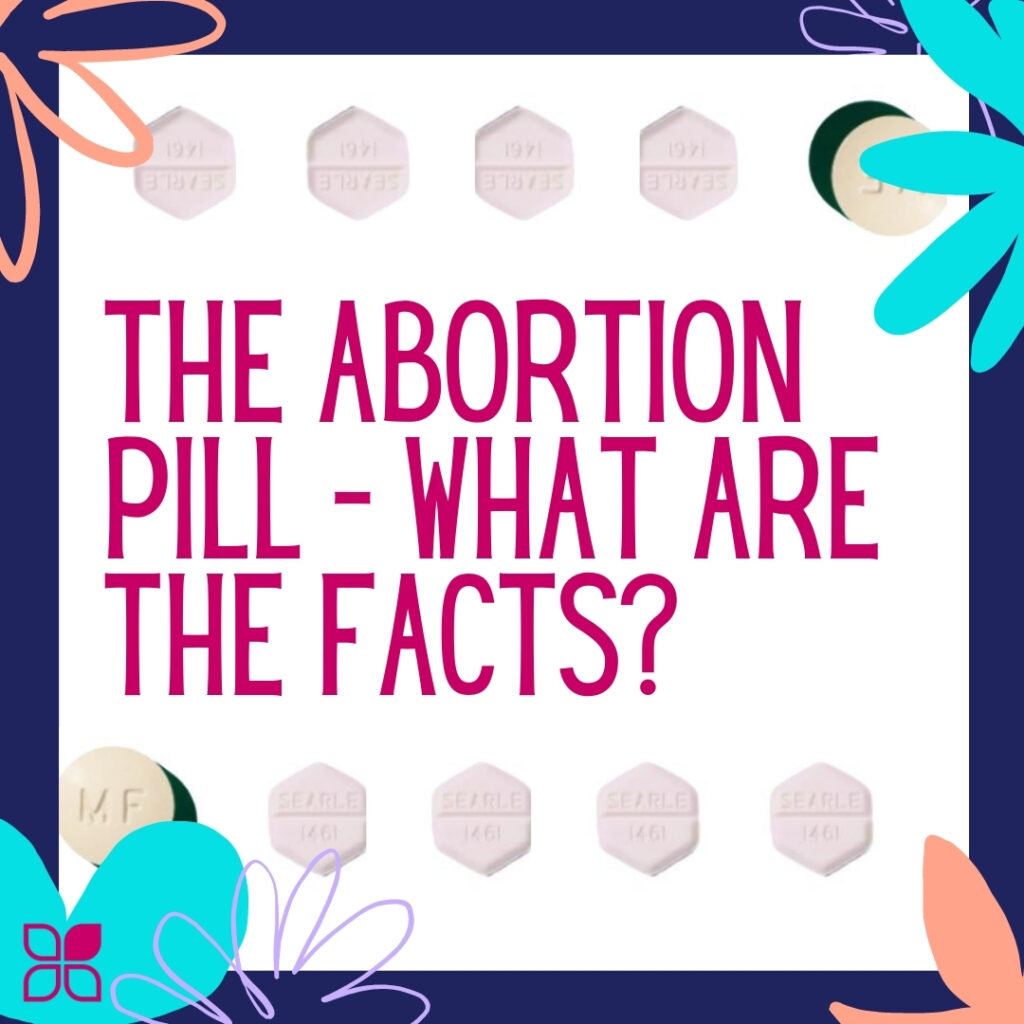
Since the start of the pandemic, more people than even have required early medical abortions. The temporary provision of abortion telemedicine has facilitated access to abortion healthcare. Abortion Rights maintains that it is vital to keep abortion telemedicine services beyond the end of the pandemic, but what does a medical abortion entail?
1. What is the abortion pill?
The abortion pill is a combination of two medications: mifepristone and misoprostol. Mifepristone is taken first, followed by 4 tablets of misoprostol, usually up to 48 hours later.
2. How does it work?
Mifepristone blocks the action of progesterone which stops the pregnancy progressing. Misoprostol softens the cervix and causes the uterus to contract so the pregnancy can be expelled from the body. Cramping and bleeding usually starts 1-4 hours after you take the misoprostol, and it is normal to pass large blood clots (up to the size of a lemon). Most people pass the pregnancy tissue within 5 hours, but cramping might continue for a couple of days after. It is also normal to have spotting for several weeks after having an abortion, but if you are concerned you can call your doctor or nurse for help. You should also call your doctor or nurse if you have experienced no bleeding at all after 24 hours.
3. How does it feel?
A medical abortion feels like an early miscarriage. Usually, there are cramps and aches that can be managed with painkillers, hot water bottles, and gentle back rubs. You should avoid Aspirin and other blood-thinning medicines as they will cause you to bleed more. You will also experience bleeding and clots as the pregnancy tissue is passed. Fatigue, nausea, vomiting, and stomach aches are also normal. Your doctor may give you an anti-emetic to help with nausea if you are suffering. Ideally, you will want to take a couple of days to rest after you have taken the pills.
4. When can you have a medical abortion?
In England and Wales, medical abortions are available up to 10 weeks of pregnancy. After that, you will have to talk to your doctor about whether it is still possible for you to have a medical abortion, or if you will be offered a surgical abortion.
In Scotland, medical abortions are offered up to 12 weeks of pregnancy. Sometimes, they are offered after 12 weeks, but may require an overnight hospital stay so you can be monitored.
In Northern Ireland, medical abortion is not offered, but abortion pills by post are available in very limited circumstances for people who cannot leave their home and who are under 10 weeks gestation.
5. Where can you get a medical abortion?
UK abortion legislation is still governed by the Offences Against the Person Act of 1861, which criminalises abortion. However, the Abortion Act of 1967 legalised abortions on certain grounds by registered practitioners. This means that it is still illegal to order your own abortion pills online – this carries a possible life sentence. If you are in the UK and you need an abortion, contact BPAS, MSI Reproductive Choices, your GP, or a sexual health clinic, and they will be able to guide you safely and legally.
6. Is it safe?
Yes, medical abortions are considered safe. The WHO says: Medical abortion plays a crucial role in the provision of access to safe, effective and acceptable abortion care. Mifepristone and misoprostol in combination or, where mifepristone is unavailable, misoprostol alone, are the recommended medications to induce abortion, and to manage incomplete abortion, or ‘intrauterine fetal demise’ – the clinical term used to describe the death of a fetus in the uterus.” As with any medication, there are some risks, but they are very rare. And unless there is a rare complication that goes untreated, medical abortion poses no risk to your future pregnancies or overall health. Having an abortion doesn’t increase your risk for breast cancer or affect your fertility. It doesn’t cause problems for future pregnancies like birth defects, premature birth or low birth weight, ectopic pregnancy, miscarriage, or infant death.
7. How effective is medical abortion?
Medical abortion is considered 97% effective up to 9 weeks, and becomes less effective the further along you are in your pregnancy.
8. Do abortion reversal pills work?
There is no such thing as an abortion reversal, and anyone who purports to be able to reverse your abortion is lying. Recently in the UK, some people have claimed that taking progesterone after mifeprostone will stop an abortion. However, this is scientifically unfounded, and a clinical trial that aimed to substantiate the claim had to be stopped as it was found the practice was potentially life-threatening. For more information on this, read OpenDemocracy’s series on abortion reversal pills here.
9. Can you have more than one medical abortion?
Yes, it is safe to have more than one medical abortion. Abortions are a normal procedure and a part of reproductive health. It is normal and okay to have more than one abortion.


About Post Author
